
Written by: Angela Derrick, Ph.D. & Susan McClanahan, Ph.D.
Date Posted: June 12, 2025 7:23 am
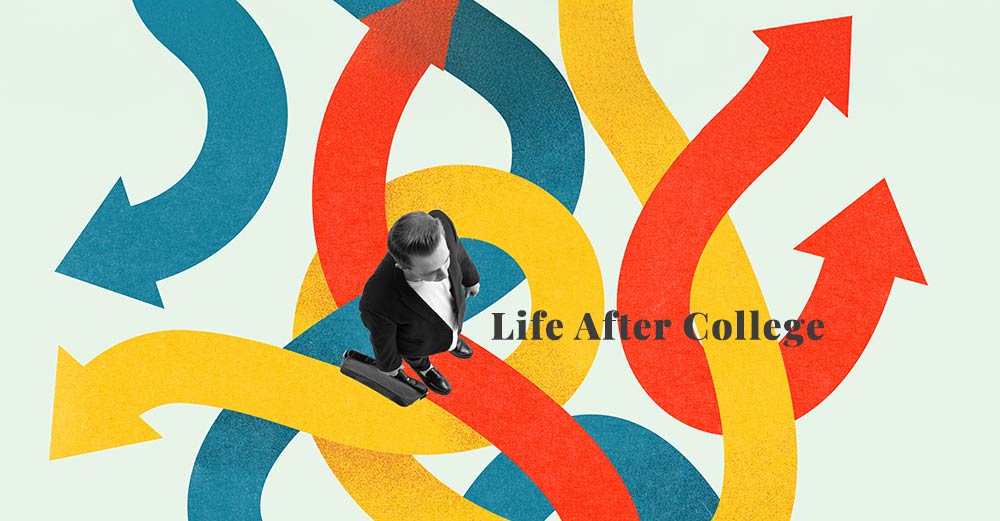
Many 20-somethings today feel stuck in the transition from college to fully independent adulthood. The pressures, especially for recent graduates, are unprecedented. There are both systemic forces and mental health factors that can make this phase especially challenging, which we will discuss below.
As psychologists, we want to emphasize that finding support now can be crucial in helping you navigate individuation, weather difficulties, and thrive as an adult. Mental health treatment can provide solid, long-lasting coping and interpersonal skills, setting you up for success during this major life change.
Systemic Reasons
These are larger forces beyond your control that make adulting harder than it used to be, including:
Economic Pressures
Housing Crisis
Cultural Shifts
Disrupted Life Milestones
Let’s take a look at how the internal or emotional challenges can compound the external ones.
Emerging Adulthood is a Real Thing
Anxiety & Depression
Imposter Syndrome
Perfectionism or Fear of Failure
Lack of Life Skills Education
Emotional Carryover from Childhood
A Friendly Reminder
You’re developing in a world that’s more complicated than the one your parents came of age in. The path to adulthood today is nonlinear, and struggling is not a sign of failure—it’s a sign that you’re trying to find your own way.

There are practical strategies that can help you move toward independent adulthood. Start by getting honest about where you are without judgment—make a simple inventory of your current responsibilities, routines, finances, and mental health. From there, choose one small area to improve, an achievable goal, like creating a weekly budget, planning simple meals, or setting a consistent sleep schedule. Structure helps restore a sense of control. If the job hunt is overwhelming, break it into manageable parts: updating your resume, setting a LinkedIn goal, or applying to two jobs per week.
We want to emphasize the importance of mindfulness and self-compassion in this process. A great deal of stress can build up through “future-tripping”. Staying in the present moment and trusting that the steps taken today, no matter how large or small, are leading you in the direction you need to go. Letting go of the outcome is a radical act that can keep you centered and at peace today while you execute those achievable goals.
A self-compassionate stance can help you embrace gentleness with yourself and a sense of shared humanity with many who are going through similar circumstances. Whatever struggles you may be having, they are common to others at this stage in life. You can take comfort in and build resilience around the fact that you are not alone in these challenges, and there is nothing wrong with you or what you are experiencing!
And finally, find a “starter routine” for self-care—this could include morning movement, journaling, or one social connection each day. Therapy or support groups (online or in person) can help you unpack emotional blocks, especially if self-doubt or anxiety is holding you back. Don’t overlook mentorship—talk to someone a few years ahead of you; they don’t have to be perfect, just a bit further down the path. Importantly, give yourself credit. Adulthood isn’t a switch you flip—it’s a gradual, nonlinear build of confidence, skill, and identity. You’re not failing—you’re forming. Keep going. The things that you do in your 20’s will be the building blocks on which you stand in your 30’s and beyond.
Life on life’s terms means accepting reality as it is, not as we wish it to be, and learning to navigate the unpredictable, often unfair circumstances that come our way without shutting down or blaming ourselves. It’s about releasing the illusion of control and leaning into resilience instead, responding with what we “can” do when things don’t go as planned. For young adults, this might mean grieving the gap between expectations and real-world experiences, like landing a dream job or feeling instantly independent, and learning to cope with the frustration, fear, or self-doubt that naturally arise. Living on life’s terms is not passive; it’s a courageous act of meeting each moment with honesty, adaptability, and compassion for ourselves as we grow.
The struggle to find solid ground during this transition has become an increasing concern for parents as well. They may discover that the nest might not be so empty after all! We have discussed the genuine societal and economic obstacles that hinder this progression, and that mental health issues are a recognized barrier to independence. With this in mind, how can we help adult children overcome their separation challenges and strive to become their own autonomous individuals?
Dr. Angela Derrick, co-owner at SpringSource notes, “Parents can keep in mind that there is more than one path to a fulfilling and meaningful life. The choices they made as they grew up may be different from the ones that their children will make. Parents should adopt a curious stance-how is my child different from me, and how can I help them make choices that are right for them, regardless of how I feel about the choices themselves?”
Parents may also need support in addressing their own contributing issues. There is a fine line between being supportive and enabling. A compassionate approach that fosters open communication, gradually shifts responsibilities, and balances encouragement for autonomy with love and empathy can help.
It is clear that both parents and their adult children are seeking ways to be supportive, achieve independence, practice acceptance, and thrive in a very challenging landscape.
You never have to face these challenges alone. If you are a parent struggling to help a young adult in your life become self-sufficient, there is hope, and we can help. We offer intensive services for adults in mid and later life stages. If you know someone or are struggling yourself to achieve full independence, we are here for you as well, as we offer intensive services for young and emerging adults as well. Our compassionate therapists specialize in guiding individuals through life transitions and addressing the mental health issues that may be creating additional challenges at unique phases of life.
Contact SpringSource Psychological Center at 224-202-6260 or email in**@****************er.com.



We provide in-person therapy in Northbrook and Chicago, with telehealth therapy available throughout Illinois.
© 2026 SpringSource: Eating, Weight & Mood Disorders | Designed by 800Commerce
Serving: Chicagoland Area, Northbrook, Evanston, Arlington Heights, Glenview, Skokie, Palatine, Elgin, Cicero, Schaumburg, Des Plaines, Orland Park, and throughout Illinois