
Depression Treatment and Therapy in Chicago, Northbrook & Virtual Therapy Throughout Illinois
Depression often does not look the way people expect. It is not always tears or visible despair. For many, it shows up as exhaustion that never lifts, an inner feeling of emptiness, or the feeling that life has lost its color. You may still be getting through your days, showing up for others, and meeting responsibilities while privately feeling disconnected, numb, or overwhelmed.
At SpringSource: Eating, Weight & Mood Disorders, our experienced depression therapists provide specialized depression treatment in Chicago, Northbrook, and virtual sessions throughout Illinois.
Many people live with depression far longer than they need to. Shame, fear, or the belief that “this is just how I am” can make it hard to reach out. Others worry that their pain is not severe enough to warrant help. In reality, depression is a serious and highly treatable condition. You do not have to endure it alone.
We provide compassionate, evidence-based depression therapy for adults (young, midlife, and older) and adolescents. At SpringSource, we are here to meet you with respect and understanding.

Depression is more than sadness. It is a mood disorder that affects how you think, feel, and experience the world. It can change your energy, your motivation, your sleep, and your sense of self. It often narrows life, making even small tasks feel heavy and draining.
Depression may be influenced by:
There is no single cause, and there is no single path into depression. What matters is not why it began, but that effective treatment exists.
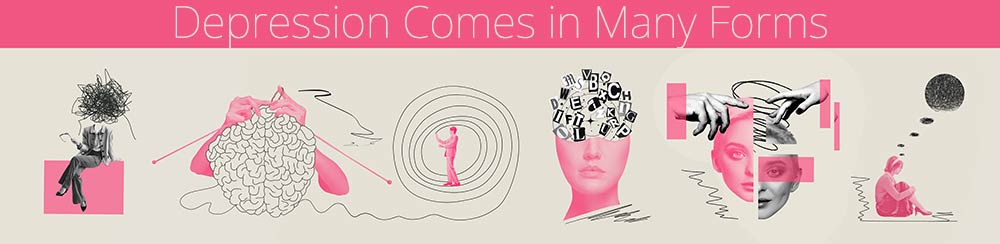
Depression can look different from person to person, but many people experience:
If these patterns have become part of your daily life, support can make a meaningful difference.
Some people live with what is often called high-functioning depression. This is not a formal diagnosis, but it describes a very real experience. You may be meeting responsibilities, working, parenting, and appearing “fine” to others while feeling depleted inside.
People with high-functioning depression often:
Because there is no obvious collapse, this form of depression can go untreated for years. Over time, it can lead to burnout, deepened isolation, and worsening symptoms.
Functioning is not the same as well-being. You deserve more than survival.
Being told you have depression, or even wondering if you do, can bring up fear and confusion. You may worry that something is “wrong” with you, or that this label will define your life.
In reality, a diagnosis is not a verdict. It is a framework for understanding what you are experiencing and for choosing effective support. Depression therapy is not about fixing a broken person. It is about helping you reconnect with your own capacity for meaning, energy, and connection.
Your treatment should reflect your unique history, needs, and preferences. It should be collaborative and respectful.
At SpringSource Eating, Weight, and Mood Disorders, our depression therapy is individualized and grounded in both evidence and compassion.
Treatment may include:
Psychotherapy
We use approaches such as Cognitive Behavioral Therapy (CBT), interpersonal therapy, Dialectical Behavior Therapy (DBT), trauma-informed care, psychodynamic therapy, and Radically Open Dialectical Behavior Therapy (RO-DBT), usually in cases of high-functioning depression. Therapy helps you understand patterns of thought and emotion, develop new ways of responding to stress, and rebuild a sense of agency.
CBT, for example, focuses on the connection between thoughts, emotions, and behavior. Many people with depression carry automatic beliefs such as “I am not enough” or “I will always feel this way.” These thoughts shape how you move through the world. Therapy helps you notice them, challenge them, and develop alternatives that open new possibilities.
Medication Collaboration
For some individuals, antidepressant or mood-stabilizing medications can be helpful. When medication is part of care, we collaborate with prescribing providers and help you think through concerns, side effects, and goals.
Whole-Person Care
Depression often overlaps with anxiety, trauma, ADHD, eating concerns, or major life transitions. We treat the full picture, not just the mood symptoms.
Individualized Pacing
Some people need structure and skills. Others need space to process grief, identity, or long-standing patterns. Your care evolves as you do.
For adults who need a higher level of support, our Adult Intensive Outpatient Program (IOP) provides structured, compassionate care for depression alongside mood, anxiety, and eating concerns.
Recovery from depression is not about becoming endlessly positive. It is about regaining flexibility, connection, and the ability to respond to life rather than feel trapped by it.
Many people notice:
Change happens gradually. Setbacks are part of growth, not signs of failure. Therapy is a space to practice responding to yourself with patience rather than judgment.
Depression can convince you that nothing will help, that this is permanent, or that you are asking too much by reaching out.
Those messages are part of the illness.
Depression is treatable. Even when it has been present for a long time, people can heal and build lives that feel meaningful and connected.
At SpringSource: Eating, Weight & Mood Disorders, we provide compassionate, evidence-based depression therapy in Chicago and Northbrook, as well as virtual therapy throughout Illinois.
We offer free 15-minute consultations so you can explore next steps without pressure. Call 224-202-6260 to begin a conversation. You deserve care that meets you with respect and hope.



We provide in-person therapy in Northbrook and Chicago, with telehealth therapy available throughout Illinois.
© 2026 SpringSource: Eating, Weight & Mood Disorders | Designed by 800Commerce
Serving: Chicagoland Area, Northbrook, Evanston, Arlington Heights, Glenview, Skokie, Palatine, Elgin, Cicero, Schaumburg, Des Plaines, Orland Park, and throughout Illinois