
Written by: Angela Derrick, Ph.D. & Susan McClanahan, Ph.D.
Date Posted: January 23, 2025 2:29 am
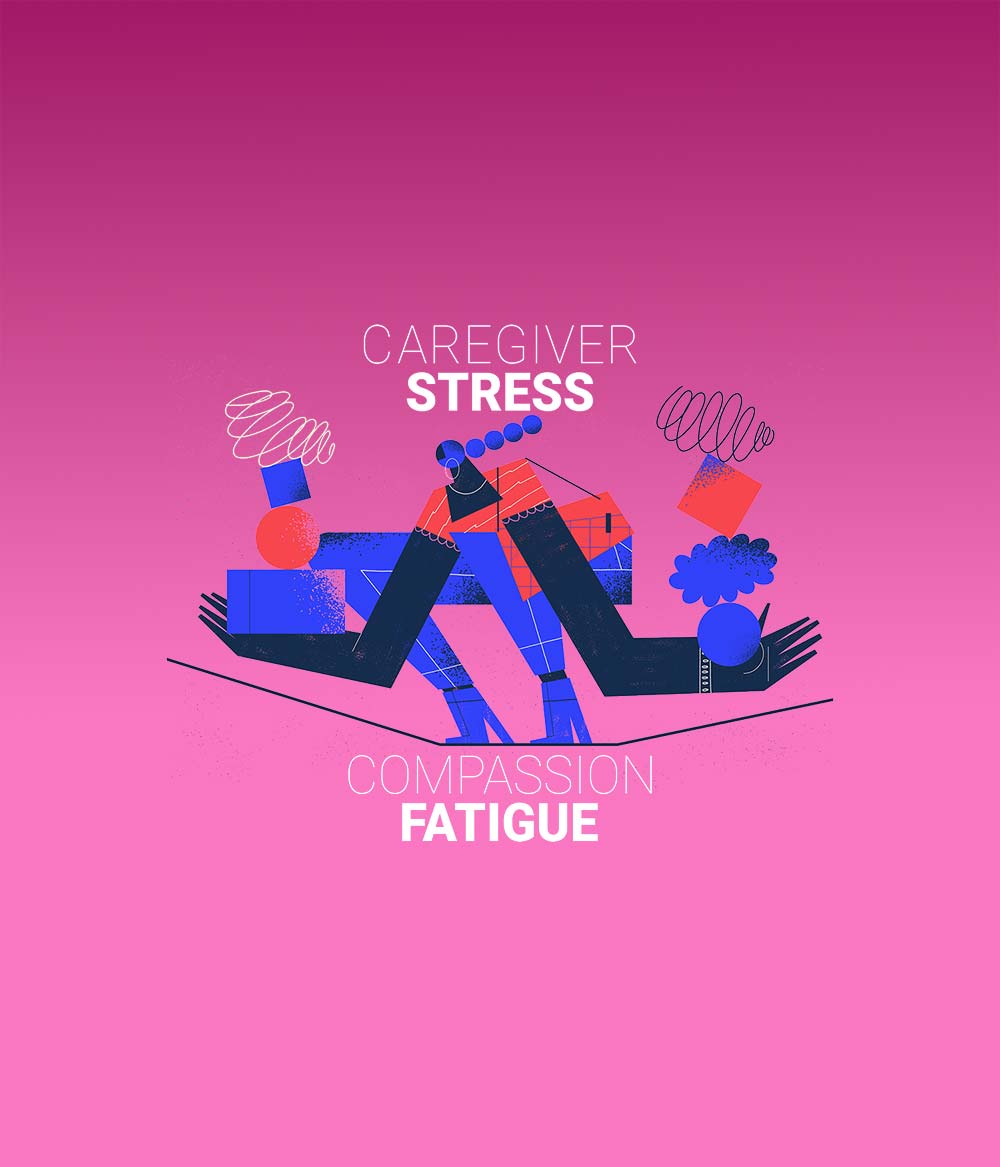
If you are the primary caregiver for a sick or aging loved one, work in a helping profession, or deal with the mental health issues of a family member or significant other, then you are likely struggling with some form of caregiver stress, compassion fatigue, or burnout.
As a caregiver, balancing important relationships, work pressures, and financial responsibilities can feel impossible, even more so if you are a single parent with difficulty making ends meet. What makes matters even more challenging is how quickly friends and family members may grow tired of hearing about your situation, making long-term support and understanding difficult to obtain. Adding to the emotional toll, well-wishers generally check up on the individual who is sick but not so much on the person doing the caregiving. The subsequent build-up of stress is a pressing issue that can manifest in various ways, including constant exhaustion and persistent feelings of anger and resentment.
If you are feeling the strain, friends and loved ones may have started encouraging you to get help or take steps towards self-care, but this can initially increase stress and trigger resistance. The idea of adding one more task to an already enormous list can be intensely uncomfortable and unwanted.
What do we do to treat or prevent caregiver burnout under these conditions? How do we begin to treat ourselves with more tenderness and love under these very real and challenging circumstances? Is it okay to feel angry? Do we need to “fix” ourselves, or might there be a more compassionate way forward?
The range of emotions caregivers experience is surprisingly universal. How we feel is not wrong or shameful and we are never alone. Just check out this recent article in New York Magazine’s The Cut, where 11 people share their own caregiving journeys with vulnerability and generous honesty.
Let’s start by identifying common symptoms that indicate elevated stress levels.
Emotional Symptoms
Physical Symptoms
Cognitive Symptoms
Behavioral Symptoms
Serious Indicators that Stress May Have Progressed to Burnout
When to Seek Help
If caregiver stress leads to severe physical or emotional symptoms, it may be time to seek professional help from a qualified and experienced therapist or support group. We have included a list of helpful resources at the end of this article.
Compassion fatigue, often referred to as the “cost of caring,” is a state of emotional and physical exhaustion experienced as a result of prolonged exposure to the suffering of others. This can happen if we regularly take on the responsibility of caring for someone else, whether in a professional role, like nursing or social work, or as a caregiver for a loved one. While admirable, our empathy and desire to help can lead to emotional exhaustion. When we constantly witness pain, distress, or trauma without enough time or support to recharge ourselves, it’s like pouring from a cup that’s not being refilled—eventually, we run out.
Compassion fatigue can arise suddenly through caregiving and the intense emotional labor of absorbing and processing the pain and struggles of others. Other contributing factors include feeling a lack of control over outcomes and being unable to set healthy boundaries between our emotions and the situations we’re witnessing. While empathy is a vital trait for caregivers, constant exposure to distress can deplete us, especially if we neglect our own needs—such as skipping rest, social activities, or self-care. Seeking support through professional resources or peer networks, mindfulness, physical activity, and maintaining hobbies can help mitigate the effects of compassion fatigue. Recognizing these patterns and taking steps to care for our own mental and emotional health can help us regain balance and resilience.
Self-compassion plays an essential role in mental well-being and can help relieve the stress associated with caregiver fatigue or burnout. By challenging our inner critic, connecting to others through our shared humanity, building resilience, and taking a balanced, mindful approach to suffering, we can begin to lessen our anxiety.
Below are the three elements of self-compassion that we can practice every day:
Credit to Dr. Kristin Neff from the self-compassion.org website
Self-compassion gently dictates that if we need extra help, we can value ourselves and seek it out. There are many resources available. Having an understanding person who can help us process our emotions is invaluable. This person should be nonjudgemental, a good listener, and possibly a professional experienced in treating anxiety and depression. Below is a list of additional resources and information on support groups that can provide help and hope.
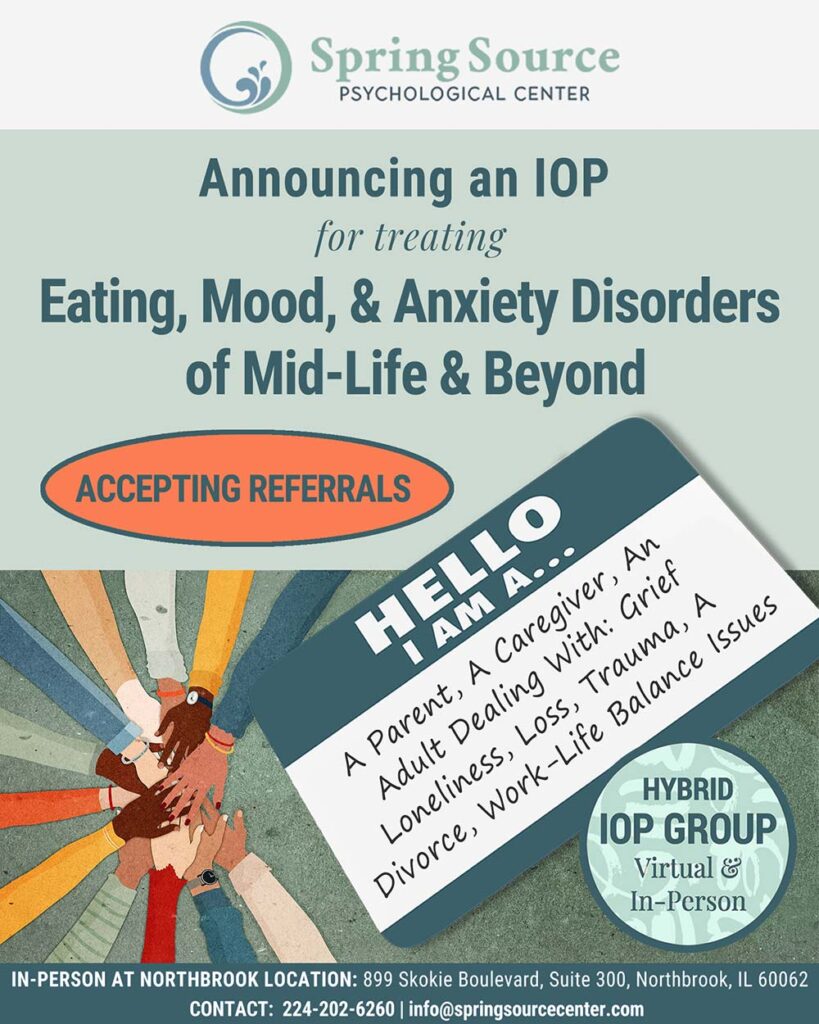
ANNOUNCING: 2025 Hybrid Behavioral Health IOP Program for Adults
SpringSource Psychological Center is now accepting referrals for our Adult IOP Program. We designed this IOP Program to provide intensive support for adults who are struggling with eating disorders, mood and anxiety disorders, life transitions, and relationship issues.
Our scheduling is mindful of keeping clients in their regular lives by offering hybrid options of attending virtually or in person at our Northbrook Location. We also scheduled sessions at convenient times in the evenings on Monday (5:30-8:30 pm) and Wednesday (5:30-8:30 pm) and on Saturday mornings (10:00 am-1:00 pm).
We provide skills training and support and can offer great flexibility in providing specific help to meet each individual’s needs and create a safe and healing environment. The group can be attended in person or virtually at our Northbrook location.
Northbrook Location
899 Skokie Boulevard, Suite 300
Northbrook, IL 60062
224-202-6260
Family and Caregiver Services—Illinois Department on Aging
Shirley Ryan AbilityLab: Listing: Caregiver Support Resources
Find Local Caregiver Resources Serving Illinois
Family Members and Caregivers | NAMI
At SpringSource, we strive to provide the most effective and compassionate care for individuals struggling with eating disorders, anxiety, depression, trauma, and relationship issues.
We believe there are many paths to healing, and we can help facilitate your individual recovery journey. With offices in downtown Chicago and Northbrook, Illinois, we offer in-person and virtual support.
Call SpringSource today at 224-202-6260 | in**@****************er.com | We offer free 15-minute initial consultations.



We provide in-person therapy in Northbrook and Chicago, with telehealth therapy available throughout Illinois.
© 2026 SpringSource: Eating, Weight & Mood Disorders | Designed by 800Commerce
Serving: Chicagoland Area, Northbrook, Evanston, Arlington Heights, Glenview, Skokie, Palatine, Elgin, Cicero, Schaumburg, Des Plaines, Orland Park, and throughout Illinois