
Written by: Angela Derrick, Ph.D. & Susan McClanahan, Ph.D.
Date Posted: September 29, 2025 8:35 am
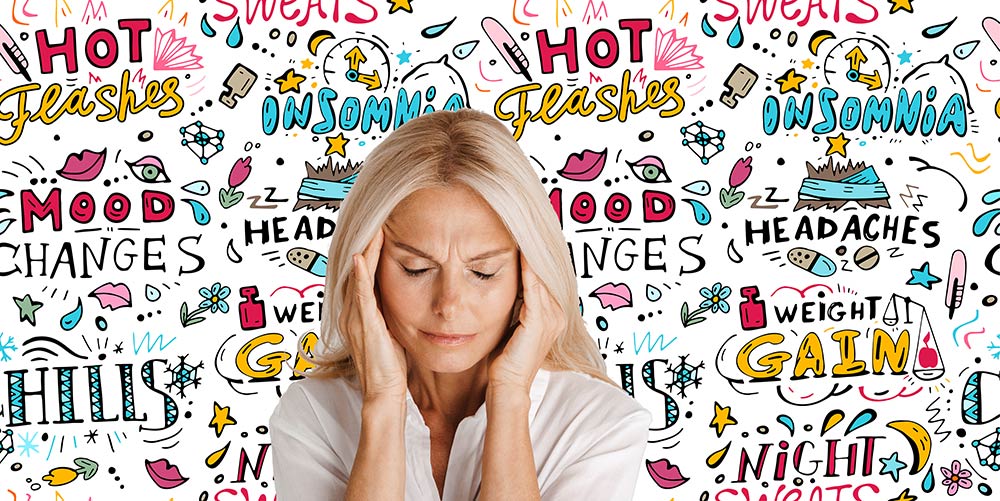
Hot flashes may take the spotlight, but what pushes women to seek therapy isn’t just the heat; it’s heartbreak, anxiety, and the quiet fear that they’ll never feel like themselves again.
Adding fuel to this fire, when women in midlife display strong emotions, society often labels them as “hormonal” or “unstable.” If we internalize these cultural messages, the stigma fuels shame. Feelings of being broken, invisible, or ineffective are very common. And when women try to cope alone by minimizing their struggles, therapy can be a lifeline offering relief and validation.
While menopause is often seen as a time of loss, a more complete truth is that many women find unexpected gifts during this transition. We will discuss these positive aspects later, but first, let’s look at the symptoms that most often cause menopausal women to seek treatment.
The most distressing symptoms of menopause are not isolated from one another; together, they can exacerbate both physical and emotional stress. For instance, sleep deprivation often worsens mood swings. Brain fog can cause fear. Low libido might hurt self-confidence. Weight changes can make you feel out of control and confused.
If you are experiencing the following, you are not alone!
Mood Changes (Anxiety, Irritability, and Depression)
Cognitive Symptoms (Brain Fog and Memory Lapses)
Sleep Disturbances (Hot Flashes, Night Sweats, and Insomnia)
Body Image Stressors (Weight Changes, Shame, and Disordered Eating Risks)
Low Libido & Intimacy Struggles
Identity Loss & Life Transitions (Empty Nest, Aging, and Caregiving Stress)
With all these pressures, it’s clear that mental health support can be a necessity during menopause.
Midlife is often seen as a time when women age out of eating disorders, but research indicates the opposite. Many women encounter new challenges or see old patterns resurface during menopause. At the same time, a widespread diet culture that fixates on youth and equates thinness with virtue can worsen body image issues for women of all ages, especially during midlife. This can lead to disordered eating behaviors or make existing issues worse. Specialized therapy and structured care can help women break these cycles and build healthier relationships with food and their bodies.
Even in 2025, misinformation about menopause and mental health remains widespread. Here are some of the myths we’ve encountered, followed by the facts:
Myth 1: The main symptom of menopause is hot flashes.
Fact: While hot flashes and night sweats are common, not every woman experiences them. Mood and cognitive changes can be equally disruptive. Menopause is highly individual.
Myth 2: Menopause means your best years are behind you.
Fact: Many women discover new freedom, creativity, wisdom, and resilience once the pressures of reproductive years lift.
Myth 3: Menopause happens suddenly.
Fact: Menopause is a gradual process that unfolds over several years. The transition, called perimenopause, can last 4–10 years and is marked by shifting hormones, irregular cycles, and a wide range of physical and emotional symptoms.
Myth 4: Therapy can’t change biological symptoms.
Fact: While therapy won’t eliminate hot flashes, it can radically improve how women cope with stress, mood swings, and identity changes, resulting in a better overall quality of life.
Myth 5: Menopause only affects fertility and periods.
Fact: Menopause impacts the whole body, not just reproduction. Estrogen and progesterone influence the brain, bones, skin, heart, and metabolism—so symptoms can include hot flashes, brain fog, joint pain, anxiety, and increased risk for osteoporosis or cardiovascular changes.
Myth 6: Weight gain during menopause is inevitable.
Fact: Hormonal shifts can make weight management more challenging, but lifestyle choices, genetics, and stress play a role. With tailored nutrition, physical activity, and stress reduction, many women can maintain a weight that is healthy for them through and after menopause.
Myth 7: Mental health struggles in menopause are “just hormones.”
Fact: Hormonal changes can trigger mood swings, anxiety, or depression, but they often intersect with life-stage stressors such as career pressure, caregiving responsibilities, relationship changes, and midlife transitions. Therapy, support, and sometimes medication can make a significant difference.

Amidst the losses and challenges, menopause can also unlock surprising strengths.
At SpringSource, we help women recognize and build on these strengths, even in the midst of difficulty.
Dr. Angela Derrick notes that while part of our job as therapists is to help individuals process and grieve the losses associated with this stage of life, another part of our job is to help them recognize and appreciate their agency, strengths, and abilities. I will often share the hope captured in this quote by Margaret Mead… “There is no greater power in the world than the zest of a postmenopausal woman.”
Menopause is not an ending; it is a transition. For many women, it also presents a meaningful opportunity to rediscover themselves.
With the right support, we can:
At SpringSource, we believe that midlife can be a meaningful time for growth, redefining priorities, and facing the core question: Can I make my life count? Our Adult IOP, or individual therapy, is designed to help women navigate these transformative challenges with skill and compassion. We truly enjoy working with individuals at this phase of life and have seen transformative change happen in any decade of life.
For many, individual therapy will be enough to help them grow and thrive through midlife transitions, but for some, a higher level of care might be needed. That is where the SpringSource Adult Intensive Outpatient Program is uniquely positioned to support women in midlife, especially those dealing with the intersection of peri or post-menopause, mental health, and eating or body image concerns.
Key Features of the IOP Program:
This level of structure provides stability and forward momentum, especially when weekly therapy feels insufficient.
SpringSource Psychological Center has earned a CARF (Three-Year) accreditation for Intensive Outpatient Treatment: Mental Health (Adults).
What does this mean?
CARF accreditation officially recognizes that SpringSource adheres to internationally recognized service standards and best practices. It also publicly affirms our dedication to delivering the highest quality of care to our clients through participating in ongoing consultation and in-depth on-site reviews to help us achieve excellence in our Adult IOP.
If you or someone you love is navigating menopause, struggling with stress, or trying to reconcile long-standing emotional challenges, you don’t have to do it alone.
This is where specialized mental health support is so important. At SpringSource: Eating, Weight & Mood Disorders, we offer both individual therapy and an Adult Intensive Outpatient Program (IOP), designed to deliver targeted, evidence-based treatment for adults, especially women navigating the complex challenges of perimenopause and menopause. Whether you’re wrestling with depression, anxiety, or worries about eating and body image, our experienced team is here to support you through your healing journey.
Contact SpringSource: Eating, Weight & Mood Disorders today to schedule a free 15-minute consultation or to learn more about our Adult IOP and how it can support you or your loved one.



We provide in-person therapy in Northbrook and Chicago, with telehealth therapy available throughout Illinois.
© 2026 SpringSource: Eating, Weight & Mood Disorders | Designed by 800Commerce
Serving: Chicagoland Area, Northbrook, Evanston, Arlington Heights, Glenview, Skokie, Palatine, Elgin, Cicero, Schaumburg, Des Plaines, Orland Park, and throughout Illinois